The search for athlete context: subjective and objective data working together
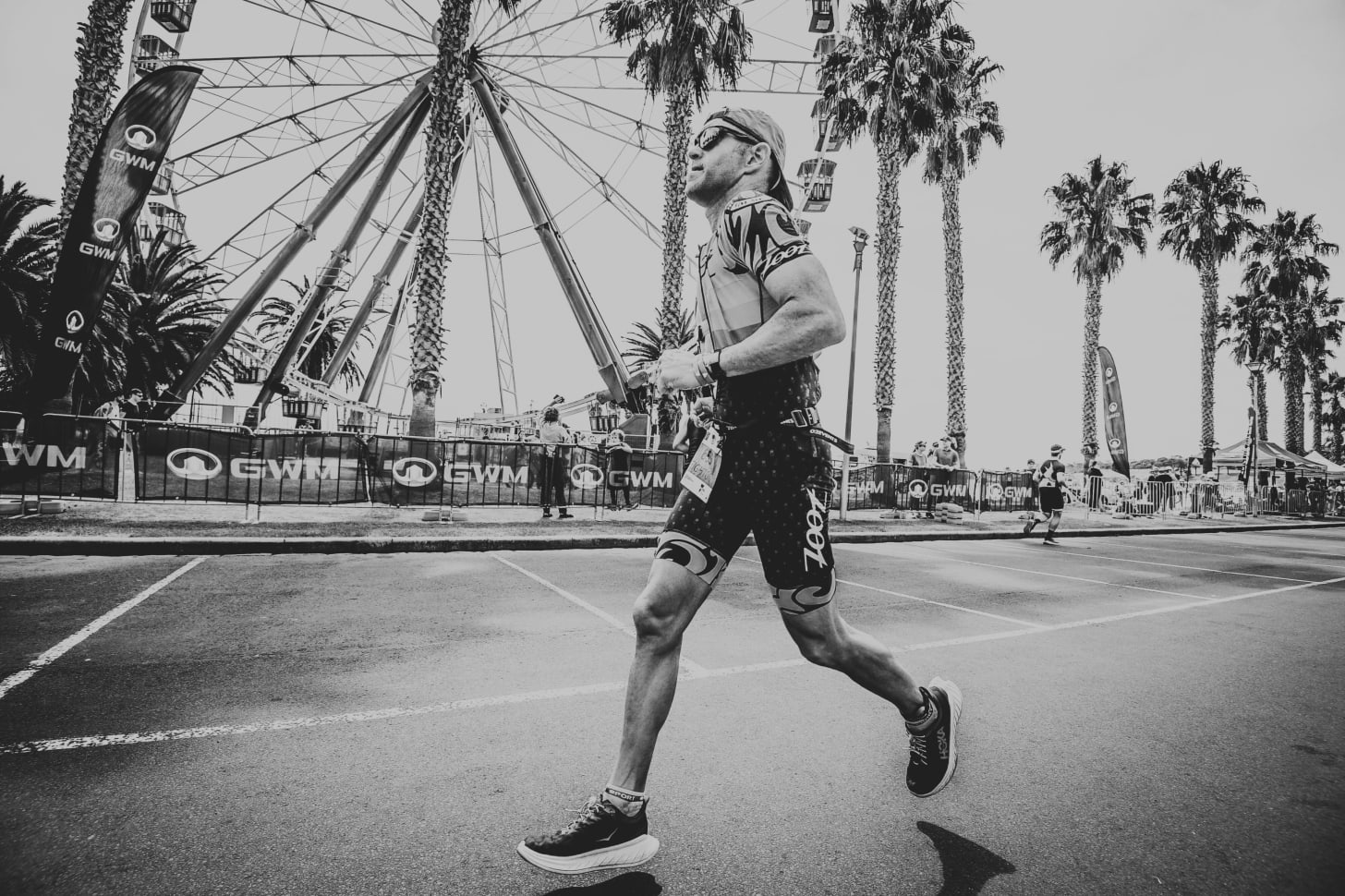
Age-group triathlon coaching isn’t messy because coaches are doing it “wrong.” It’s messy because athletes’ lives are messy too.
We know this from our own lives. As Robert Burns wrote in 1785: “The best laid schemes o’ mice an’ men / gang aft agley” (“often go awry”).
Work, family, sleep, travel, illness, study, trying to keep a social life, stress - this is the environment you coach in.
I began my PhD with a deficit mindset: find the errors, fix the coach.
I finished somewhere more useful. Most departures from research-backed practice aren’t ignorance; they’re adaptations to context. Coaches adjust what they do to fit the real conditions their athletes live in.
The practical issue isn’t whether coaches know the sport science; energy systems, periodisation, recovery, and all the rest. It’s whether they have a way to apply that science with enough flexibility to coach safely and consistently in real life. That’s the gap the ACIP framework is built to fill.
ACIP = Adaptive, Contextualised, Informed Practice.
It’s a coach-ready framework I developed to help coaches and National Sporting Organisations lift training load and communication practices without pretending athletes live in a lab.
1) ACIP: the middle path between reactive practice and rigidity
Think of coaching as a spectrum:
RUP (Reactive Underinformed Practice): low structure, limited use of objective and subjective data, and reacting to changes in the athletes’ lives too late, that is, after the athlete reports a problem or when the data finally reflects a challenge the athlete is facing.
EBP (Evidence-Based Practice): high structure and lots of data, but low flexibility. The plan becomes the boss. Athletes are expected to fit their lives around the program, rather than the program fitting their lives. This has been described as a “false narrative.”
ACIP (Adaptive, Contextualised, Informed Practice): structured training built with room to move. It uses research-backed principles, solid objective data, and deliberate, regular subjective feedback and context. That combination helps coaches adjust the program in near real time. It encourages the coach to build a habit of responsiveness and reflection and to be better equipped to see patterns early that may indicate the training load needs adjusting.
ACIP can work well for age-group coaching because it treats evidence-based concepts, theories, and processes as a guide—not train tracks.
You still aim for sensible periodisation, recovery, and progression, but you build a system that can absorb the disruptions without negatively impacting health or consistency.
2) A big upgrade to your practice: triangulation (subjective and objective data, together)
Across the studies in my PhD, one pattern kept showing up: coaches often prescribe training sessions using objective metrics (eg, heart rate, power) and subjective metrics (eg, rate of perceived exertion (RPE)), but underuse subjective feedback when monitoring and managing load.
That may introduce risk, because early warning signs can often be subjective: sleep, mood, soreness, motivation, stress, and the simple report that “everything feels hard.”
The key question is:
What is the athlete telling me about their sport and non-sport context and does that change how I read what I’m seeing in their training data?
Triangulation: interpreting objective and subjective data together, inside the athlete’s context.
Practical examples:
Numbers look normal, but RPE is high, and sleep is poor. The athlete’s total ‘life load’ (sport load plus non-sport load) may be climbing. Time for a conversation.
Training gets done, but the athlete’s mood is flat, and their motivation is dropping. Building load may be a bad bet even if outputs look fine. Another moment to comment in the training platform and/or book a catch-up.
HR/power/pace drift and soreness is trending up. If you’ve been gathering context routinely, you’re more likely to know what’s driving this change and adjust training load early—before illness or injury shows up.
Triangulation doesn’t mean more spreadsheets. It means better decisions because the numbers (physiology) and the story (the athlete’s experience) are connected.
3) Communication isn’t wasted time and energy—it’s your early-warning system
When communication is infrequent, load management becomes reactive by default. In my research, some coaches reported communicating with athletes only monthly, despite monitoring load regularly. That makes it hard to catch problems early, especially when non-sport stress may be doing most of the damage.
ACIP treats communication as part of a flexible, responsive, training load system:
Communicate often enough to detect change. Short, consistent touchpoints beat occasional deep chats.
Safe enough for honesty. Athletes hide stress when they expect judgment and the guilt that follows. Providing an environment that supports an open exchange is key.
If the athlete doesn’t feel safe telling you the truth, your plan is less likely to work. Trust in the coach–athlete relationship is not optional if you want to get to the real issues.
3 takeaways for coaches
Adopt a framework like ACIP instead of rigid practice. Keep structure where possible, but design programs that can flex. Research and sport science principles guide you; context steers the day-to-day calls. Give athletes permission to make real-time decisions when life gets in the way, without fear of being judged.
Triangulate regularly every week. Compare objective metrics (pace/power/HR/load trends) with subjective signals (RPE, sleep, stress, soreness, mood, athlete comments).. There is no single “golden metric.” Pilots don’t watch a single gauge; they scan many, look out the window, and listen to the aircraft. You can think of these triangulation comparisons in this way.
Make communication frequent and psychologically safe. The goal is early detection and adjustment—before niggles become injuries, or fatigue becomes a hole.
ACIP is about lifting coaching practice while accepting the unpredictability of real life. It’s not “be more scientific” or “trust your gut.” It’s: use science, context, and dialogue to make better, safer coaching decisions, again and again.